



Cavitation While Breastfeeding: Solutions & Tips
Understanding Cavitation: Impact on Breastfeeding
Cavitation can mean different things depending on the context, so breastfeeding parents should first clarify what is being discussed. In everyday searches, Cavitation While Breastfeeding often refers to ultrasonic body-contouring treatments, while in feeding conversations it may be confused with latch sounds, suction loss, or other breastfeeding issues. This guide explains the concern in plain language and offers practical infant feeding advice for safer, more confident nursing.
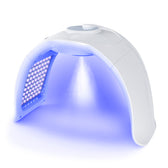
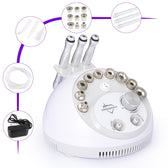
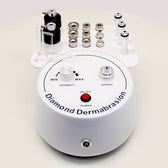
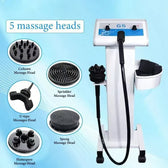
Explore: Cavitation Machines
What does cavitation mean during breastfeeding?
Cavitation is not usually a standard term used to describe normal breastfeeding mechanics. If you hear clicking, gulping, popping, or broken suction at the breast, the issue is more likely related to latch, positioning, milk flow, oral function, or common nursing challenges rather than “cavitation” itself. If the term is being used for an ultrasonic cosmetic treatment, the question becomes whether that procedure is appropriate while lactating, which should be discussed with a healthcare professional before treatment.
Because the word can be used loosely, avoid self-diagnosing based on search results alone. A lactation consultant, pediatrician, or qualified clinician can help separate normal feeding noises from feeding difficulties that need support. The goal is not to label every sound, but to understand whether your baby is feeding effectively and comfortably.
Common signs that feeding needs closer attention
Some breastfeeding issues are temporary and improve with small adjustments. Others may signal that the baby is working too hard, transferring less milk than needed, or causing nipple pain through an ineffective latch. Watch the whole feeding pattern rather than one sound or symptom.
Useful signs to track include:
- Frequent clicking or suction breaks during feeds, especially with slipping off the breast.
- Ongoing nipple pain, flattening, or damage after latch adjustments.
- Very long, very short, or constantly unsettled feeds that leave the baby unsatisfied.
- Poor weight gain or fewer wet diapers, which needs prompt clinical guidance.
- Coughing, choking, or pulling away when milk flow feels too fast.
- Sleepy feeding with little swallowing, which may suggest low transfer.
Comparing equipment for your clinic?
Explore the WIKBeauty 30K/40K Cavitation Device and review its features, specifications, and available options.
These signs do not always mean something serious is happening. They do mean it is worth getting lactation support early, before discomfort, supply concerns, or stress builds.
Read also: The Ultimate Guide to Ultrasonic Cavitation
Breastfeeding techniques that may help
Small changes in positioning can make a major difference when a baby loses suction or struggles to coordinate feeding. Start with the basics: bring the baby to the breast rather than leaning toward the baby, keep the baby’s body turned toward yours, and aim for a deep latch with the chin close and nose free.
Try this simple checklist during a feed:
- Support your body first. Use pillows, a chair, or a relaxed reclined position so you are not tense.
- Line baby up well. Ear, shoulder, and hip should generally face the same direction.
- Wait for a wide mouth. A rushed latch often becomes shallow.
- Look for active swallowing. Pauses are normal, but feeding should include rhythmic milk transfer.
- Break suction gently if painful. Relatch instead of enduring pain.
If milk flow is fast, laid-back nursing may help the baby manage it. If flow is slow or the baby tires quickly, breast compressions may support transfer. These breastfeeding techniques are general tools, not a substitute for individualized care.
When should you get professional lactation support?
Get help promptly if feeding is painful, weight gain is a concern, the baby seems distressed at most feeds, or you are considering a cosmetic cavitation procedure while breastfeeding. A lactation professional can observe a full feed, assess latch and milk transfer, and suggest targeted next steps.
You do not need to wait until breastfeeding feels unmanageable. Early support can prevent small nursing challenges from becoming ongoing feeding difficulties. If a treatment provider uses the word cavitation, ask them to explain exactly what they mean, what area is involved, and whether they have breastfeeding-specific safety guidance you can review with your clinician.
Shop: 10-in-1 80K Cavitation Vacuum RF Machine
Key takeaways for breastfeeding parents
“Cavitation” is often an unclear term in breastfeeding conversations. Focus instead on what you can observe: comfort, latch stability, swallowing, diaper output, and growth. With the right infant feeding advice and timely lactation support, many breastfeeding issues can be addressed with practical, parent-friendly adjustments.
Explore Wikbeauty equipment.
Still comparing equipment options?
Review the WIKBeauty 30K/40K Cavitation Device to see whether its features match your clinic’s equipment needs.


