



Thermal Lifting: Post-Facelift Maintenance Tips
Thermal Lifting as a Maintenance Treatment After a Facelift
A facelift can reposition deeper facial tissues and reduce visible laxity, but long-term results still depend on thoughtful maintenance. Thermal Lifting as a Maintenance Treatment After a Facelift refers to using controlled heat-based, non-surgical lifting treatments—often radiofrequency or ultrasound-based—to support firmness, texture, and collagen remodeling after surgical healing is complete. This guide explains how to approach it safely, what to ask your provider, and how to combine it with practical post-facelift care.
Explore: Thermal Shaping Machines
What should be healed before you consider thermal lifting?
Before booking any heat-based treatment, your facelift incisions, swelling, bruising, and tissue sensitivity should be fully evaluated by your surgeon or qualified aesthetic medical provider. Facelift recovery instructions commonly include wound care, medication guidance, warning signs to watch for, and follow-up visits, so thermal maintenance should never replace that plan or begin without clearance.
Thermal treatments work by delivering controlled energy into the skin or deeper tissue layers, so the timing matters. Treated too early, heat, pressure, or device movement may irritate healing tissue; used appropriately later, it may become one part of a conservative maintenance plan. Think of this as a second-phase strategy: surgery first, healing next, then long-term skin quality.

1. Get clearance from your facelift surgeon
Start with the provider who performed your facelift or the clinician overseeing your recovery. Ask whether your incisions are mature enough, whether you still have swelling or numbness, and whether any areas should be avoided. This is especially important if you had a neck lift, fat grafting, laser resurfacing, implants, or another procedure at the same time.
Bring a list of the exact device or treatment you are considering. “Thermal lifting” can describe several skin tightening methods, including radiofrequency, ultrasound, or RF microneedling, and each has different depth, intensity, and downtime. Your surgeon can help decide whether non-surgical lifting is appropriate for your anatomy and surgical result.
Use this appointment to confirm your baseline, too. Some post-facelift fullness is swelling, not laxity. Treating too soon may make you chase a temporary concern that would have improved naturally with time and normal healing.
2. Define the maintenance goal clearly
Thermal lifting is best approached as maintenance, not as a redo of surgery. A facelift addresses structural sagging more powerfully than non-invasive skin rejuvenation techniques, while non-surgical devices generally aim to improve mild laxity, texture, and firmness over time. The American Academy of Dermatology notes that non-surgical tightening procedures cannot deliver the same results as a surgical facelift.
Set a focused goal before treatment. Do you want subtle jawline refinement, improved neck skin firmness, softer lower-face crepiness, or better skin tone? A clear goal helps your provider choose the right modality and avoid overtreating delicate areas.
A practical goal may sound like this:
- Maintain firmness after surgical recovery rather than create a dramatic new lift.
- Improve mild skin laxity that surgery did not fully address.
- Support collagen remodeling gradually.
- Refresh skin texture while preserving a natural post-facelift appearance.
- Avoid excessive downtime or another surgical procedure.
3. Choose the right thermal technology for your needs
Not all thermal treatments behave the same way. Radiofrequency treatments use electromagnetic energy to heat tissue, while ultrasound-based treatments use focused sound energy at selected depths. Some devices treat from the skin surface; others, such as RF microneedling, use needles to deliver energy below the surface.
For a post-facelift patient, device choice should be conservative and anatomy-specific. Areas near incisions, thin skin, altered sensation, or surgically repositioned tissue may need different settings or avoidance.
A simple comparison can help you prepare for the consultation:
| Option | Common maintenance use | Practical consideration |
|---|---|---|
| Radiofrequency skin tightening | Mild firmness, texture, lower-face or neck laxity | Heat level and treatment depth should be adjusted carefully after surgery. |
| Ultrasound-based tightening | Targeted lifting or tightening effect in selected areas | Best for carefully mapped treatment zones rather than casual full-face use. |
| RF microneedling | Texture, fine lines, mild laxity, some scar or crepey-skin concerns | Involves skin penetration, so timing and sterility matter more. |
| Laser or light-based rejuvenation | Tone, pigmentation, fine lines, surface quality | May be useful separately, but it is not identical to deeper thermal lifting. |
4. Build a conservative treatment timeline
Once you are cleared, plan maintenance in stages. Your provider may begin with a lower-energy approach, a smaller treatment area, or a test area when there are concerns about sensitivity. This protects your surgical result and lets you see how your skin responds.
Results from non-surgical skin tightening are usually gradual because the body needs time to build and remodel collagen. The AAD notes that collagen production takes time, with best results from some firming treatments becoming more visible months later rather than immediately.
A cautious plan may include:
- Baseline photos: Capture front, side, and three-quarter views in consistent lighting.
- Provider mapping: Identify safe treatment zones and areas to avoid.
- First session: Treat conservatively instead of chasing a dramatic one-day result.
- Recovery check: Watch for prolonged redness, swelling, tenderness, or texture change.
- Progress review: Compare photos after enough time has passed for collagen remodeling.
- Maintenance schedule: Space future sessions based on response, not pressure or trends.
Comparing equipment for your clinic?
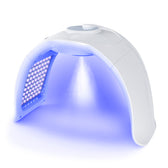
Explore the WIKBeauty Thermal Face Lift Machine and review its features, specifications, and available options.
Read also: Thermal Lifting for Face & Body
How do you prepare for a thermal lifting appointment after a facelift?
Preparation should focus on protecting healed tissue, reducing irritation, and giving your provider accurate information. Tell the clinician about your facelift date, incision locations, healing complications, medications, injectables, resurfacing treatments, and any areas with numbness or tenderness. If you are unsure whether a detail matters, mention it.
Follow the pre-treatment instructions from your provider, which may include pausing certain active skincare products, avoiding sunburn, and arriving with clean skin. Do not schedule thermal lifting right before a major event; even low-downtime treatments can cause temporary redness, swelling, sensitivity, or uneven-feeling tightness.
Use this checklist before your visit:
- Confirm written or verbal clearance from your surgeon.
- Share your full surgical and treatment history.
- Ask what device will be used and why it fits your goal.
- Ask which facial zones will be avoided or treated lightly.
- Review expected downtime and warning signs.
- Take baseline photos before any new treatment.
- Avoid adding multiple new anti-aging solutions at once.
5. Protect your skin barrier before and after treatment
Healthy skin tolerates energy-based treatment better than irritated skin. In the days before your appointment, keep skincare simple unless your provider instructs otherwise. Hydration, gentle cleansing, and sun protection matter more than aggressive exfoliation.
After treatment, prioritize barrier repair. Use bland moisturizers, avoid picking or scrubbing, and follow instructions about makeup, exercise, heat exposure, and active ingredients. If RF microneedling or another treatment breaks the skin, aftercare becomes even more important because the skin surface needs time to close and recover.
Sun protection deserves special attention. Plastic surgery recovery guidance emphasizes protecting healing skin and following physician instructions, and long-term sun protection helps preserve cosmetic results after swelling and bruising resolve.

6. Track results without overcorrecting
Thermal lifting can be subtle. That is often the point after a facelift: you want to preserve a refreshed result, not distort it. Instead of judging day by day, compare standardized photos at planned intervals and ask your provider to evaluate texture, laxity, and symmetry.
Avoid stacking too many skin tightening methods in a short period. More energy is not always better, especially in previously operated areas. Overtreatment can increase the risk of unwanted irritation, contour change, prolonged swelling, or dissatisfaction with a result that was still settling.
A good maintenance plan should feel measured. If your provider recommends waiting, that may be a sign of sound judgment rather than hesitation. Your tissues have already been through surgery; maintenance should respect that history.
7. Combine thermal lifting with everyday facelift recovery tips
The strongest maintenance plans are not built on devices alone. Daily habits influence how your skin looks between appointments and how well it tolerates future treatments. These facelift recovery tips also support general skin health after your surgeon clears you for normal routines.
Focus on steady basics:
- Follow post-facelift care instructions: Continue any scar care, activity guidance, or follow-up schedule your surgeon recommends.
- Protect against UV exposure: Use broad-spectrum sunscreen, hats, and shade to help preserve skin tone and scar quality.
- Avoid smoking or nicotine exposure: These can interfere with circulation and skin quality.
- Maintain stable weight: Large weight shifts may change facial fullness and laxity.
- Use skincare consistently: Gentle cleansing, moisturizer, sunscreen, and appropriate actives can support surface quality.
- Treat inflammation early: Persistent redness, swelling, pain, drainage, or heat should be evaluated promptly.
Thermal lifting works best when it is one part of a larger plan. Surgery can reset facial contours, but long-term skin rejuvenation techniques help manage texture, firmness, and visible aging over time.
What signs mean you should pause or call your provider?
Pause treatment plans and contact your provider if you have new pain, increasing swelling, warmth, drainage, open areas, sudden asymmetry, blistering, burns, numbness that worsens, or skin color changes after a thermal treatment. These symptoms are not routine maintenance concerns and should be assessed by a qualified clinician.
You should also pause if expectations start shifting toward perfection. Non-surgical lifting can support mild tightening, but it should not be used repeatedly to chase a surgical-level change. If laxity has progressed significantly, your provider may discuss other options instead of continuing device treatments indefinitely.
Be honest about comfort during the procedure, too. Controlled heat is expected with many technologies, but severe pain is not something to “push through.” Clear communication helps your provider adjust settings, stop in a sensitive area, or reassess whether the treatment is appropriate.
Shop: Thermal Face Lift Machine
8. Decide whether maintenance is worth continuing
After enough time has passed to judge results, review your photos, comfort, downtime, cost tolerance, and satisfaction. If you see subtle firmness, better texture, or improved confidence without excessive irritation, thermal lifting may be a useful maintenance option. If results are minimal or recovery feels disproportionate, a different plan may serve you better.
The best anti-aging solutions are individualized. For one person, that may mean annual or occasional thermal maintenance; for another, it may mean skincare, injectables, resurfacing, or simply protecting the facelift result with healthy habits. The right answer is the one that respects your anatomy, your surgical history, and your tolerance for downtime.
Thermal lifting after a facelift should be thoughtful, conservative, and medically guided. Start with surgeon clearance, choose the device carefully, protect your skin barrier, and track gradual changes instead of rushing. With realistic expectations, it can be one of several skin tightening methods used to maintain a natural, refreshed result over time.
Still comparing equipment options?
Review the WIKBeauty Thermal Face Lift Machine to see whether its features match your clinic’s equipment needs.


